
When you start looking for a mortgage, you’ll quickly run into a major choice: open or closed? This decision shapes how you can pay your loan back and the interest rate you’ll get, so it’s a pretty big deal.
It can feel confusing, but with support from a team like Mortgage Connection, it doesn’t have to be. The choice between an open and closed mortgage comes down to a trade-off between payment flexibility and a lower interest rate. Here’s a breakdown of how to choose the right mortgage for you and your financial future.
What Is an Open Mortgage?
Think of an open mortgage as your most flexible route. It lets you pay back your loan faster by making extra payments—or even paying off the entire balance—anytime you want without getting hit with a penalty fee.
Key Features of an Open Mortgage
This freedom gives you a few key advantages.
- Total payment freedom: You can make large, lump-sum payments whenever you have extra cash.
- Penalty-free payoff: If you sell your home or get an unexpected windfall, you can pay off your mortgage early without any extra charges.
- Easy to refinance: You have the freedom to explore refinancing your home mortgage at any point if rates drop.
The Main Disadvantage of an Open Mortgage
All that flexibility usually comes at a higher price. Open mortgages almost always have higher interest rates compared to closed mortgages. Lenders charge more because they take on the risk that you’ll pay the loan off early, which means they miss out on future interest payments.
What Is a Closed Mortgage?
A closed mortgage is more structured, but it comes with a major perk—a lower interest rate. With this type of loan, you are locked into a specific term, rate, and payment schedule. Making extra payments or paying it off early has certain restrictions and often involves penalties.
Key Features of a Closed Mortgage
The structure of a closed mortgage offers its own set of benefits.
- Lower interest rates: You often get access to the most attractive rates available, but it’s important to remember there is more to your mortgage than just the rate. Still, this can save you a significant amount of money over the life of your loan.
- Predictable payments: Your payments are set, making your monthly budget simple and straightforward.
- Limited prepayment options: Most closed mortgages still allow some flexibility. You can usually make extra payments each year—often up to 10-20% of the original balance—without a penalty.
Open vs Closed: How to Compare Your Options
There isn’t a single right answer here. The best choice is the one that fits your finances and future plans. It’s all about what works for you.
When an Open Mortgage Makes Sense
An open mortgage might be the right fit if you value flexibility above all else.
- You plan to sell your property in the near future.
- You expect to receive a large amount of money—like a bonus or inheritance—and want to put it toward your mortgage.
- You prefer having options over locking in the lowest possible rate.
When a Closed Mortgage Is a Good Fit
A closed mortgage is often a great choice if you prioritize stability and savings, especially if you plan to stay in your home until the mortgage maturity date.
- You want the security of a fixed payment schedule to make budgeting easy.
- You plan on staying in your home for the full mortgage term.
- Your main goal is to secure the lowest interest rate you can get.
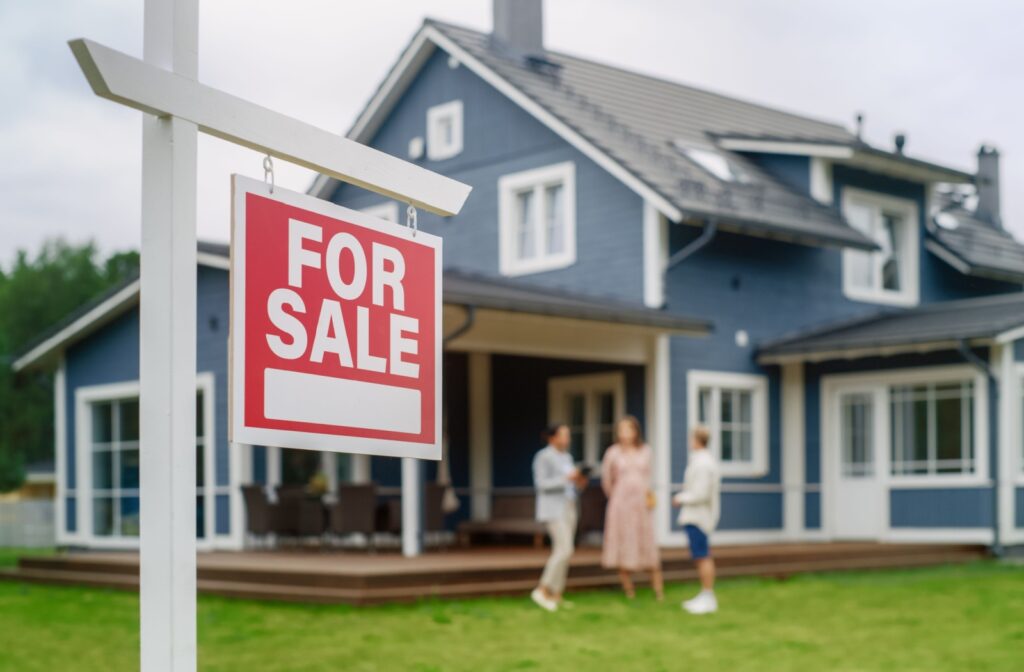
Can You Sell Your House with a Closed Mortgage?
Yes, you can absolutely sell your home even if you have a closed mortgage. You are not trapped in your house until the loan is paid off. You just need to figure out how to handle the mortgage contract.
You generally have a few different paths you can take.
- Pay the penalty: You can break the mortgage contract, but this involves paying a prepayment penalty.
- Port the mortgage: You may be able to port the mortgage, which means you transfer your existing balance, term, and rate to a new property.
- Let the buyer assume it: In some situations, the person buying your home may be able to assume your mortgage, though this is less common.
Find the Right Mortgage for Your Goals
Choosing between an open and closed mortgage is one of the first big steps in your homeownership journey. Your decision should match your short-term needs and long-term financial plans.
These options can feel complex, and it’s helpful to have support. This is why many people connect with experienced mortgage brokers to find a solution that truly fits their life.
Not all mortgages are created equal, but understanding your options is the first step toward clarity. With the right information, you can make a choice that aligns with your goals for your new home or commercial property.
At Mortgage Connection, our team is passionate about helping you navigate your mortgage with clarity. Contact us to get clear, straightforward advice on finding the right fit for you.