


You’ve found a home you love, saved up some money, and now you’re staring at a mortgage application full of terms you’ve never seen before. One of them keeps popping up, and it seems to matter a lot to your lender. That term is the loan-to-value ratio, and our team at Mortgage Connection can show you how it plays a big role in how much you can borrow and what it might cost you.
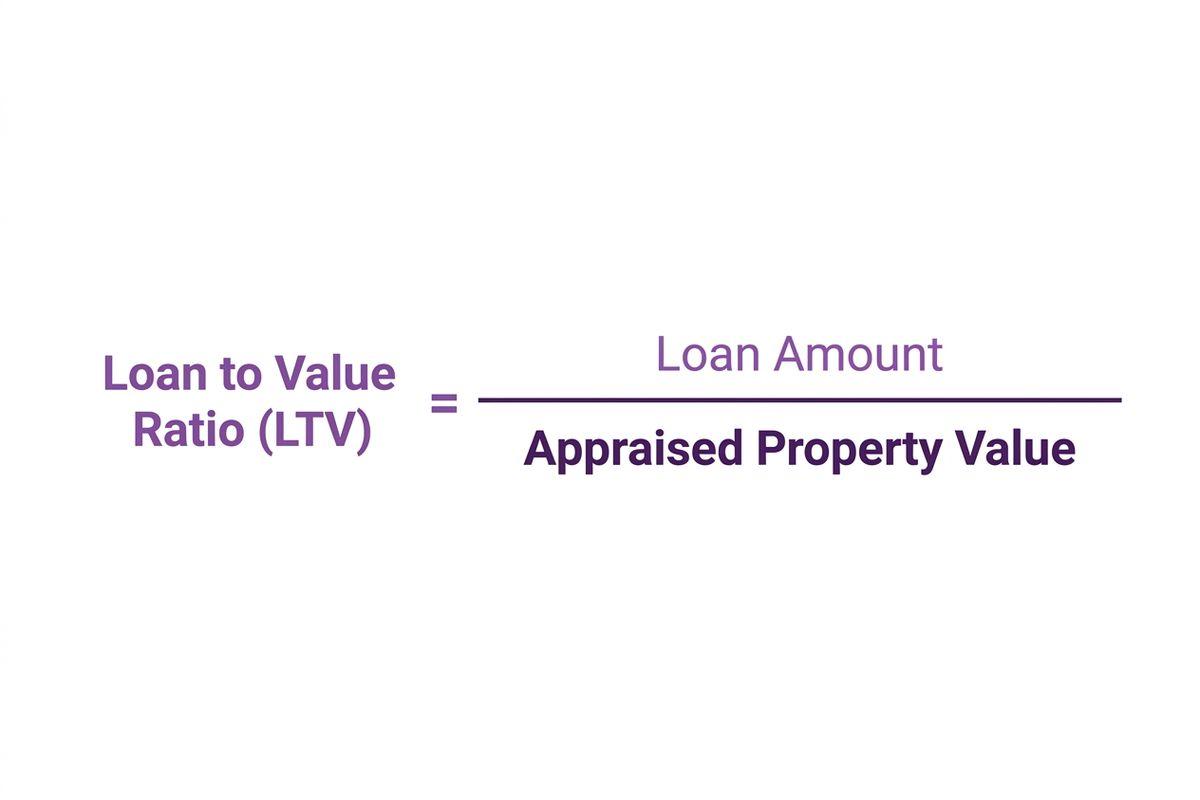
A loan-to-value ratio, sometimes shortened to LTV, compares the size of your mortgage to the value of the property you want to buy, shown as a percentage. Once you understand how it works, you can make more informed choices about your down payment and your mortgage.
What a Loan-to-Value Ratio Means
Think of your LTV as a snapshot of how much you’re borrowing compared to what your home is actually worth. If you borrow a lot against a home’s value, your ratio climbs higher. If you put more money down, that ratio usually drops.
Lenders lean on this number, among other factors, to see how much risk they’re taking on. A smaller loan against a valuable property feels safer to them. Typically, a larger down payment lowers your ratio, which can open more doors when you apply.
How to Calculate Your Loan-to-Value Ratio
The math here is fairly simple. You divide your loan amount by the property value, then turn that answer into a percentage. That’s it, no complicated formulas or hidden steps.
Simple Example with Real Numbers
Say you want to buy a home worth $100,000, and you need a loan of $90,000. Divide $90,000 by $100,000, and you get 0.90. Move the decimal, and that’s a 90% loan-to-value ratio.
In this case, your down payment covers the other 10%. The higher your down payment, the smaller that percentage becomes.
What Different Percentages Mean
An 80% ratio means you’ve put down 20% of the home’s value. A 70% ratio means a 30% down payment, and a 60% ratio means 40% down.
Lower ratios also mean you hold more equity in your home. That equity is the slice of the property you truly own, and it grows as you pay off more of your home, and the ratio shrinks. There are also ways to unlock that value once you build enough of it.
Why Lenders Care About Your LTV
Your LTV tells a lender a lot in just 1 number. It can be a factor in their decision to approve your application, with a lower ratio often making the decision easier.
This number can also shape the interest rate you’re offered. A higher ratio may bring a few extra costs along with it, possibly including a higher interest rate on your mortgage, or mandatory mortgage insurance in some cases.
For many home purchases in Canada, a down payment of less than 20% means you’ll need mortgage default insurance, if the mortgage qualifies for insurance. This is often called a high ratio mortgage, and that added cost is worth planning for before you sign anything.
What Counts as a Good LTV Ratio
There are some benefits that come with a ratio of 80% or lower. At that point, you’ve put down at least 20%, and you avoid the extra insurance requirement. Anything above 80% can add costs to your monthly payments.
Other Factors Beyond LTV
Your LTV matters, but it does not tell the whole story. Lenders weigh several other pieces of your financial picture, often including:
- Your credit score and income
- Your current debt levels
- Your monthly cash flow
A strong ratio paired with steady income and manageable debt can put you in a good spot. Even if your credit score has room to improve, each piece works together to show a lender the full picture of healthy finances.
Combined LTV for Multiple Loans
Sometimes you borrow against your home more than once. A combined loan-to-value ratio adds up every loan tied to the property, which can include a mortgage, second mortgage, and certain home equity products such as a HELOC.
This gives a lender a fuller view of how much you’ve borrowed overall. If you’re thinking about a HELOC, this number becomes something worth watching.
How to Improve Your Loan-to-Value Ratio
The good news is you have real ways to bring your ratio down over time. A lower LTV can give you more equity in your home and may expand the mortgage options available to you.
Saving up for a larger down payment can help decrease your LTV ratio. Depending on your mortgage terms, options such as making extra payments or increasing your regular payment may help you pay down your balance faster. If your home’s value increases over time, your equity may grow even if you don’t make additional payments toward your mortgage.
Talk with a Mortgage Broker
Understanding your loan-to-value ratio can help you understand your mortgage and make informed decisions about your down payment and application. Our team at Mortgage Connection can walk you through your numbers and help you find a mortgage that fits your life. Take the guesswork out of your next move and reach out to our team in Calgary or Edmonton today.